Table Of Content
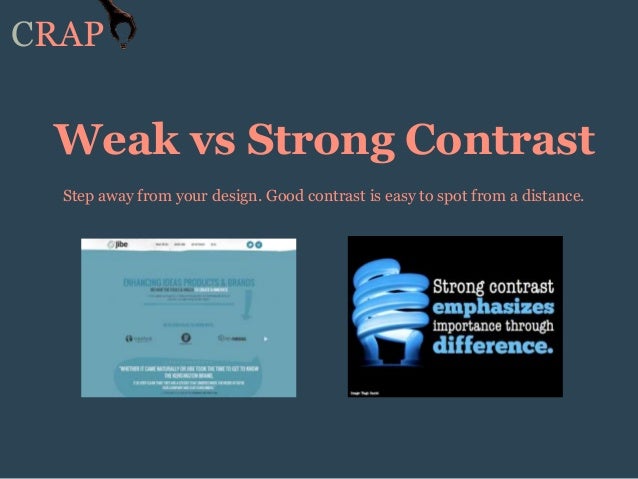
Centered alignment can be particularly effective for highlighting important content, such as headlines or featured images. It draws the user’s eye to the center of the page and creates a clear focal point. Contrast allows you to highlight important elements and create visual interest, making it easier for users to navigate and understand your interface. Incorporating proximity into your designs will enhance usability, improve comprehension, and create a cohesive visual experience for your users.
Contrast: Creating Visual Distinction
Everything looks nice and organized and creates a harmonious feeling. However, beware of unintended consequences when trying to apply this design principle. Proximity has a special place among CRAP design principles because it has the power to overpower the remaining three CRAP design principles. Proximity is so ingrained in our perception that it has a much stronger effect than other visual features such as color, shape, brightness, etc. Alignment is not only aligning elements to the center, right, or left.
Making Time Contest
This repetition also aids in reinforcing branding and creating a cohesive visual identity. For example, using the same font style and size consistently across different sections of your website or app can help users navigate and understand information more easily. In conclusion, applying the C.R.A.P. design principles to enhance the user experience is like adding a touch of magic to your projects. By embracing contrast, repetition, alignment, and proximity, you can create visually appealing and user-friendly designs that captivate and guide users.
Repetition: Creating Consistency and Unity
The best design principles are those that help us create better designs, faster, and at lower costs and can differ from each designer. Proximity involves placing ideas, images, and text that are related close or proximate to one another. Placing elements next to or near each other suggests they are related. For designers, proximity and placement helps suggest purpose to project audiences. Balance is the specifically vertical and horizontal alignmeant of elements across your page or window.
Why Is Repetition Important in Achieving Consistency and Recognition?

These basics are the very bare essentials that any designer should constantly consider. Remember, these examples are just the tip of the iceberg, and creativity is key when applying the CRAP principles to your UI design. Experiment, iterate, and always keep the user experience in mind. It is often used by creating one shape that is repeated in different sizes throughout the picture. Knowing these elements and principles will help you see beyond what's tangible and produce more professional designs. It's when every design element and principle comes together as one, creating harmonious flow and tranquility.
CRAP: A Beginner’s Guide to Design Principles in UI Design
Proper alignment of the text in a website allows the reader to scan it much quicker and, in turn, to find the information they need faster. On the other hand, improper alignment makes this task harder for the visitor. In the infographic below, you can see quite subtle use of repetition.
One thing that sets JW apart: Scaring the crap out of kids as a guiding principle - The Underground Bunker
One thing that sets JW apart: Scaring the crap out of kids as a guiding principle.
Posted: Mon, 18 Mar 2019 07:00:00 GMT [source]
Many different factors go into creating a good UX, but one of the most important ones is using the right design principles. Let’s take a look at what CRAP design principles are and how to use them to provide a better user experience for your visitors. Putting together these four design principles can drastically improve the quality of design. Use these principles as a checklist to ensure that your website design offers a great user experience.
Australia signs onto Five Eyes crap software security crackdown - The Mandarin
Australia signs onto Five Eyes crap software security crackdown.
Posted: Tue, 18 Apr 2023 07:00:00 GMT [source]
CRAP is not a set of strict rules but rather a set of guidelines that, when applied thoughtfully, can enhance the aesthetics and functionality of your website. By applying Contrast, Repetition, Alignment, and Proximity in your designs, you can make them visually appealing and easy to use. You can notice that this page was designed using this 12-column grid.
A - Alignment
When it comes to designing an online course, repetition can be the lifeline that your students use to make sense of the information you’re presenting. Less important items should be designed to have a correspondingly lighter visual weight, either by making them different sizes or by changing another aspect of the design. You can also create high contrast by using hues from different sides of the color wheel, as long as everything fits within the same color palette. Flip open the cover, and take a look at the way the black text sits on the plain white background.
Contrast can also be used to guide someones eye towards the center of the picture. If you have a black and white picture and your center piece is red, it will be a valuable use of contrast. Learning the elements and principles of design is essential to becoming an exceptional artist or designer. Also known as "white space," this design element uses space as part of the design. It can also use the other elements to create the illusion of added information, which tricks the eye into thinking something is there.
Also, there are many different types of contrast, not limited to only color contrast. Testing opportunities are endless and it has allowed us to easily identify, set up, and run multiple tests at a time. Justification works fine when the text has a long line-length, small font size, and shorter words.
For designers, alignment helps control how viewer's eyes move across a project space. Proper alignment plays a crucial role in improving the readability of your content. When text, images, and other elements are aligned consistently, it becomes easier for users to follow the flow of information. Misaligned content can distract users and make it challenging to absorb the message.


No comments:
Post a Comment